Eco Mirrors | September 24, 2025
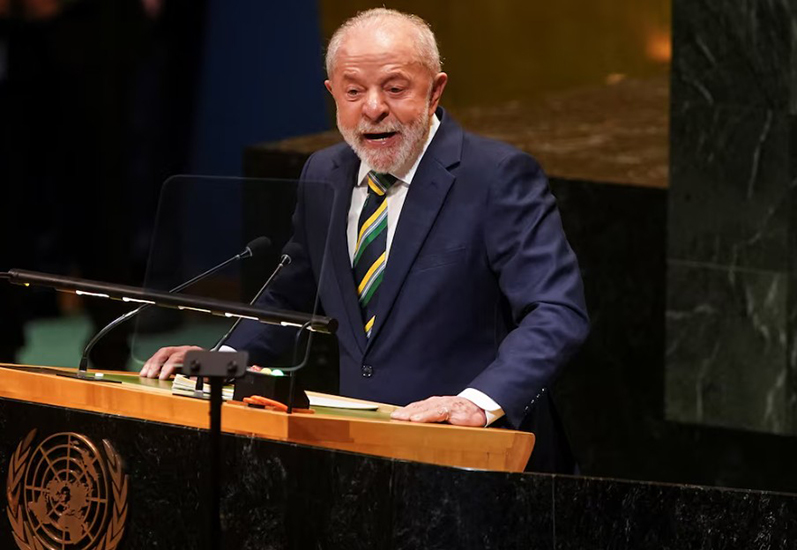
At the 80th United Nations General Assembly in New York, Brazil’s President Luiz Inácio Lula da Silva announced a landmark $1 billion investment in the Tropical Forests Forever Facility (TFFF) — a new multilateral fund designed to conserve endangered tropical forests.
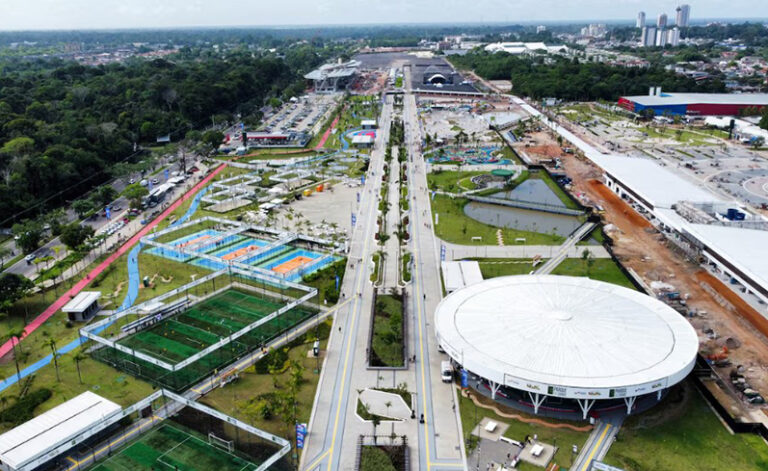
This bold step positions Brazil as the first nation to commit to the TFFF, setting the stage for broader support ahead of COP30, which Brazil will host in Belém, deep in the Amazon, this November.
“Brazil will lead by example,” Lula said. “I invite all partners present to put forward equally ambitious contributions so that the TFFF can become operational at COP30.”
The fund, envisioned as a $125 billion endowment, will provide countries with annual stipends based on how much of their forests remain standing — directly rewarding preservation efforts. Brazil aims to secure an initial $25 billion from governments and philanthropies, unlocking a further $100 billion from private investors.
Global South in the Spotlight
The initiative has been hailed as a game-changer for climate finance.
Razan Khalifa Al Mubarak, the UAE’s Special Envoy for Nature, praised Brazil’s leadership, calling it “an innovative global south-led initiative”. Officials from Norway, the UK, France, Germany, Singapore, China, and the UAE also signaled interest in supporting the fund.
Why It Matters
Tropical forests are among the world’s most critical ecosystems, storing carbon, regulating climate, and sheltering immense biodiversity. Yet, they remain under constant threat from deforestation and land use change. By tying finance directly to forest protection, the TFFF offers a practical model of accountability and incentive.
If successful, this mechanism could redefine how climate funds are structured — shifting influence toward the Global South, where most of the planet’s tropical forests are located.
🔎 Eco Mirrors Insight: Lula’s announcement doesn’t just secure funding — it reframes the climate finance debate. By rewarding stewardship rather than pledging vague offsets, the TFFF could become a template for future global environmental agreements.