Eco Mirrors | September 26, 2025
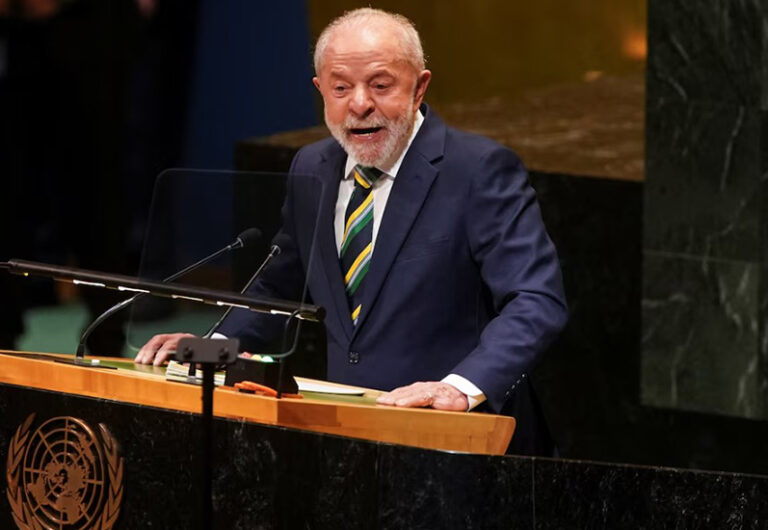
The 30th United Nations Climate Change Conference (COP30) will convene in November 2025 in Belém, Brazil, marking a critical moment in the global fight against climate change. With the Amazon rainforest at the center of international climate concerns, Brazil’s role as host underscores both the opportunities and challenges in balancing environmental preservation, sustainable development, and social justice.
Why COP30 Matters
COP30 comes at a time of heightened urgency. Despite global commitments, emissions continue to rise, and vulnerable communities remain disproportionately affected by climate impacts. This year’s summit is expected to move beyond technical negotiations and focus more deeply on equity, finance, and justice in global climate governance.
Climate Justice on the Agenda
Hundreds of environmental and human rights organizations have called on COP30 to go further than previous summits by addressing the historical roots of the climate crisis. A recent open letter, signed by more than 240 organizations and public figures — including Amnesty International USA and regional chapters of Black Lives Matter — urges negotiators to link climate justice with reparations for historical crimes such as enslavement and colonialism.
“There can be no true climate justice without reparatory justice,” the signatories emphasized.
The letter highlights how centuries of resource extraction, racial violence, and unequal access to global wealth have deepened climate vulnerabilities in the Global South.
Brazil’s Role and Symbolism
As the country that received the largest number of enslaved Africans and now home to the biggest Afro-descendant population outside Africa, Brazil’s leadership is seen as symbolically significant. Advocates are urging the Brazilian government and the UN to create a formal space at COP30 dedicated to climate justice and reparations, led by Africans, Afro-descendants, and Indigenous communities.
Brazil’s Minister of Racial Equality, Anielle Franco, has previously stated that reparations are about “building a more dignified future”, highlighting the need for recognition and concrete policy action.
Divided Views on Reparations
While calls for reparations are gaining momentum, critics argue that modern states and institutions should not bear responsibility for historical wrongs. This debate is expected to intensify at COP30, testing the political will of global leaders.
Key Venues and Logistics
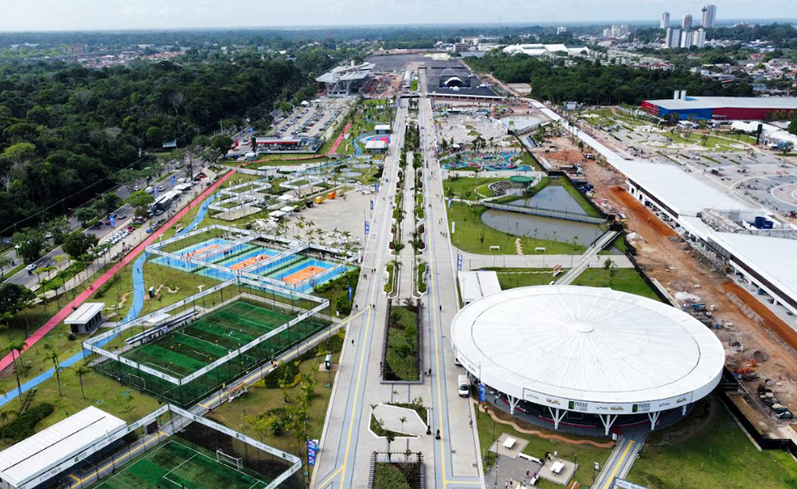
Belém has prepared to host the summit by inaugurating the Parque da Cidade, one of the main venues for negotiations and civil society events. Its strategic location near the Amazon is intended to highlight the urgency of rainforest preservation, which remains a crucial element in global climate stability.
What’s Next
- Negotiation focus: Climate finance, adaptation funds, loss and damage, and now — potentially — reparations.
- Civil society role: Increased advocacy from human rights and grassroots organizations.
- Brazil’s leadership: Pressure on the host nation to integrate justice and equity into the official agenda.
Conclusion
COP30 is shaping up to be more than a climate summit; it is becoming a forum where historical injustices and future sustainability converge. Whether or not reparations are formally integrated, the conversations sparked in Belém may redefine the meaning of climate justice for decades to come.