Eco Mirrors | September 26, 2025
Carbon consumption remains one of the defining challenges of our era, with nations, industries, and innovators seeking ways to balance economic growth with urgent climate goals. From energy-intensive sectors to everyday consumption patterns, the global community is under pressure to accelerate solutions that reduce emissions while supporting sustainable development.
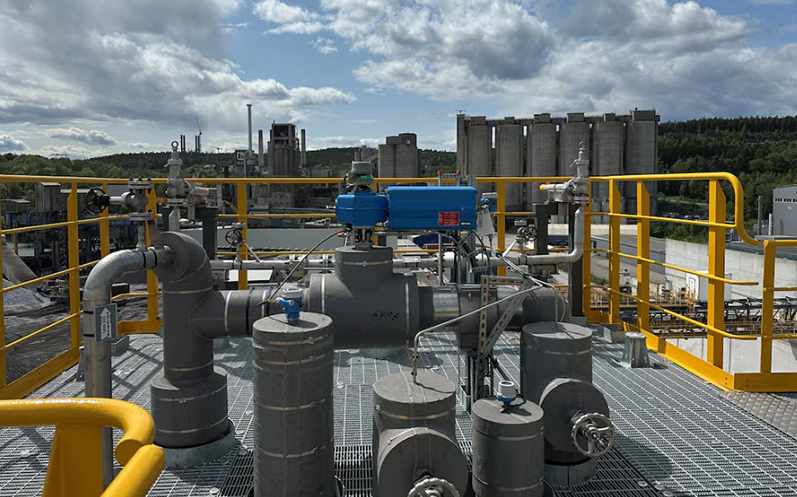
One area showing significant promise is carbon capture and storage (CCS), which directly targets emissions from industrial processes and power generation. Recently, Britain signed agreements for new carbon capture projects, a move expected to create 500 jobs and further position the UK as a leader in climate technology. These projects are designed not only to capture emissions before they enter the atmosphere but also to stimulate economic activity in regions transitioning away from fossil fuels.
Globally, governments are investing billions into renewable energy, electrification of transport, and energy efficiency. However, experts note that these measures must be complemented by systemic changes—such as reducing overconsumption, adopting circular economy models, and introducing stricter carbon pricing mechanisms to hold polluters accountable.
The International Energy Agency (IEA) has warned that current global consumption levels are incompatible with limiting warming to 1.5°C. To stay on track, carbon intensity per unit of GDP must fall by 5% annually until 2030—a target requiring unprecedented cooperation between policymakers, industries, and citizens.
Looking ahead, breakthroughs in direct air capture technologies, nature-based solutions such as large-scale reforestation, and innovative financial mechanisms like green bonds could redefine the carbon economy. Still, experts emphasize that progress depends as much on political will and social behavior as it does on technology.
Carbon consumption is no longer just a climate issue—it is a social, economic, and ethical one. Each ton of carbon emitted represents a choice, and the urgency of today’s climate crisis demands that these choices align with a sustainable future.