Eco Mirrors | September 27, 2025
UNESCO has announced the addition of 26 new biosphere reserves across 21 countries, expanding its global network to 785 sites in 142 nations. These reserves, some of the world’s richest yet most fragile ecosystems, balance the urgent need for biodiversity conservation with the socioeconomic and cultural needs of local communities.
“Biosphere reserves prove that conservation is not an obstacle to development but a pillar of it,” said António Abreu, head of the program. “Communities must be central to decision-making to avoid conflict and ensure long-term success.”
Biodiversity Hotspots in Focus
Among the newly designated sites are:
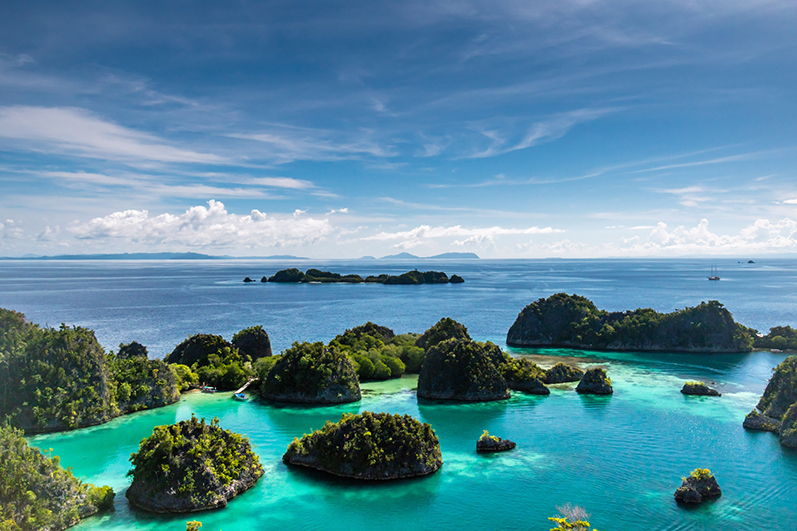
- Raja Ampat, Indonesia – Spanning 135,000 square kilometers, this archipelago harbors over 75% of Earth’s coral species, lush rainforests, and endangered sea turtles. Local livelihoods depend on fishing, aquaculture, small-scale farming, and eco-tourism.
- Snæfellsnes Biosphere Reserve, Iceland – Covering 1,460 square kilometers, this landscape of volcanic peaks, lava fields, and glaciers shelters seabirds, seals, and over 70% of Iceland’s plant life. Its 4,000+ residents rely on fishing, sheep farming, and tourism.
- Quiçama Biosphere Reserve, Angola – Stretching across 206 km of Atlantic coast, this sanctuary hosts elephants, manatees, turtles, and over 200 bird species. Communities sustain themselves through farming, fishing, honey production, and livestock herding.
Other examples include Príncipe Island in São Tomé and Príncipe, where mangroves have been restored to buffer storms and support ecotourism, and Pangatalan Island in the Philippines, where damaged coral reefs are regenerating thanks to aquaculture initiatives.
Communities as Partners
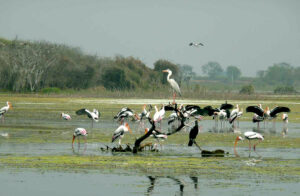
A defining feature of biosphere reserves is collaboration between scientists, governments, and residents. In many regions, locals have even helped identify new species, such as a recently discovered owl in Príncipe. Ecotourism, including guided bird-watching and biosphere trails, is emerging as a vital source of income while reinforcing conservation.
Climate Challenges
UNESCO warns that 60% of biosphere reserves face threats from climate change, including extreme weather, droughts, and sea-level rise. Satellite monitoring and digitized historical data are being deployed to guide adaptive strategies.
Still, challenges remain. For instance, Nigeria’s Omo Forest Reserve, home to critically endangered African forest elephants, is under pressure from expanding cocoa farming.
Global Context
These designations come as debates around international cooperation grow. The U.S., home to 47 biosphere reserves, announced it will withdraw from UNESCO in December 2026, raising concerns about global collaboration in conservation.
Despite political shifts, the expansion of the network underscores the growing recognition that safeguarding biodiversity is inseparable from building resilient economies and communities.